Living in Niagara Falls, NY: A Local Real Estate & Relocation Guide
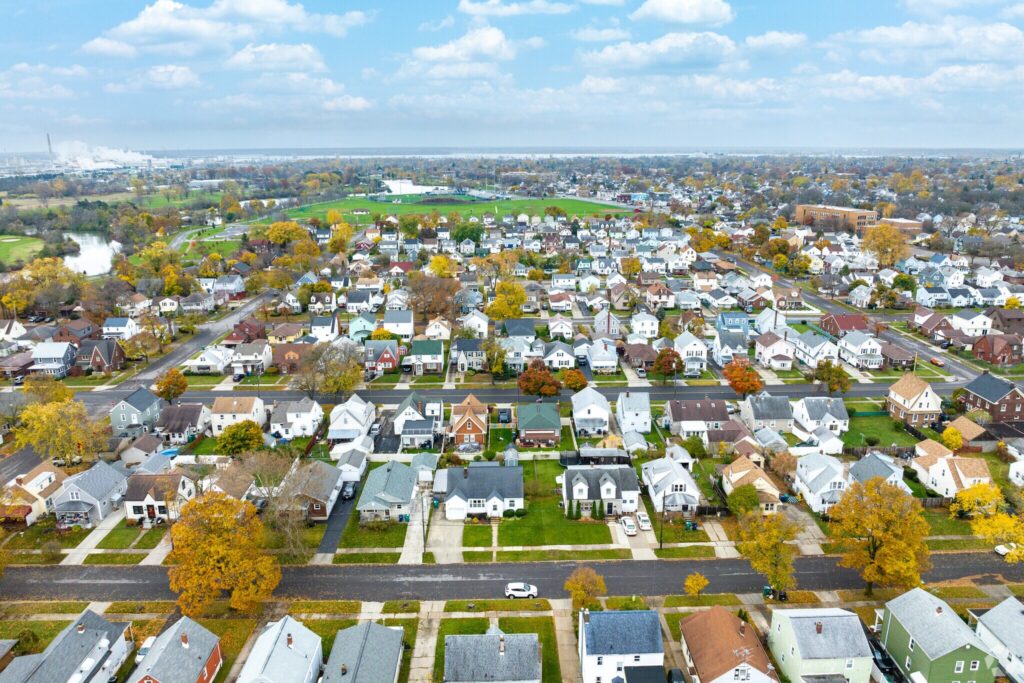
Niagara Falls, New York is known around the world for its natural landmark, but living here involves much more than the visitor experience. The city offers established residential areas, access to parks and the Niagara River, a range of housing styles, and connections to communities throughout Niagara County.
Why Buyers Explore Niagara Falls
Buyers may explore Niagara Falls for its location, variety of properties, regional accessibility, and proximity to Niagara Falls State Park. The city includes residential neighborhoods, commercial corridors, waterfront areas, and investment opportunities, giving buyers several different settings to compare based on their goals.
The Local Lifestyle
Everyday life varies across the city. Some areas are close to parks, riverfront recreation, and cultural attractions, while others offer a more traditional residential feel. The best way to understand the city is to explore multiple neighborhoods, visit at different times, and compare the routes and amenities that matter most to you.
Homes and Real Estate
Niagara Falls has a diverse housing stock that can include older single-family homes, two-family and multi-family properties, investment properties, and homes in established residential areas. Condition can vary from one property to the next, so inspections, repair planning, and a close look at major systems are essential. Investors should also verify zoning, permitted use, rental requirements, and current occupancy details.
Location and Everyday Convenience
The city connects to the broader Niagara County region and offers access toward Lewiston, Wheatfield, Grand Island, and Buffalo. Buyers should evaluate their actual commute routes, public transportation needs, shopping preferences, and access to healthcare or other daily services before choosing a specific area.
Things to Explore
Niagara Falls State Park, Goat Island, the Niagara River corridor, local parks, trails, and historic attractions provide year-round ways to experience the area. Downtown and tourism-focused districts have a different character from established residential neighborhoods, so it is useful to see both when considering a move.
What to Consider Before Buying
Review property condition, zoning, taxes, utility costs, parking, and any rental or occupancy requirements that apply. Confirm school district boundaries and municipal services directly. Properties near the river or in designated areas may require flood-zone and insurance review. Because housing and land uses can change from block to block, property-specific due diligence is important.
Relocating with Jodi Collins
With more than 18 years of real estate experience, I help buyers navigate Western New York with clarity and confidence. My concierge-level relocation support can include a personalized consultation, neighborhood orientation, customized home search, virtual tours for out-of-town buyers, local professional referrals, and hands-on guidance from the first conversation through closing and beyond.
Ready to Explore Your Options?
Whether you are moving across Western New York or relocating from out of state, I can help you compare communities and find a home that fits your goals, lifestyle, and timeline. Call 716-417-0271, email jodi@greatlakesre.com, or use the website contact form to schedule a conversation.
Community information is provided as a general starting point and may change. Buyers should independently verify school boundaries, taxes, zoning, municipal services, commute routes, insurance needs, and property-specific details with the appropriate professionals and public agencies.